
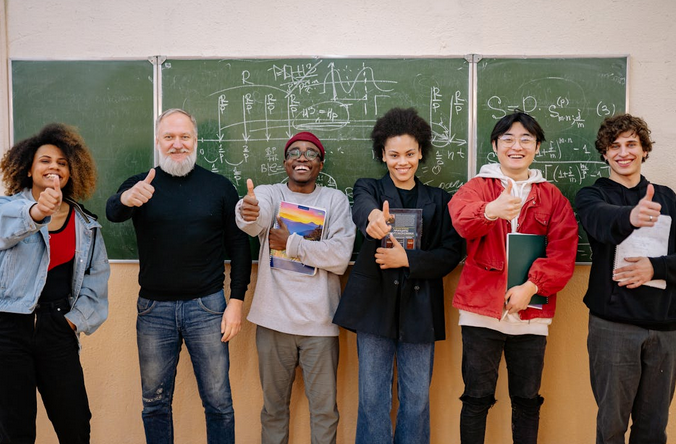
School is often measured in numbers: test scores, GPA, and letter grades. But for many students, the most important lessons are not recorded on a transcript. Beyond the classroom assessments lies a hidden value system—an internal framework students construct through experiences, interactions, and choices. This self-built code influences how they handle challenges, interact with peers, and make decisions long after the final exam is over. While grades reflect performance, these invisible lessons reflect growth, resilience, and personal ethics.
Learning Resilience Through Mistakes
One of the first elements of this secret value system is resilience. Students quickly realize that failure is inevitable, whether it’s a poor grade, a failed project, or a misstep in a presentation. The way they respond to these challenges—learning from mistakes, asking for help, or trying again—builds resilience. Over time, they understand that effort, persistence, and adaptability are more valuable than perfection, a lesson rarely quantified by a report card.
Curiosity as a Guiding Principle
Beyond rote learning, curiosity becomes a personal compass. Students who explore beyond the syllabus, ask questions, or pursue topics that excite them are cultivating a mindset of lifelong learning. This curiosity-driven approach often teaches problem-solving, creativity, and independent thinking. While teachers can encourage exploration, the intrinsic motivation to seek knowledge is a self-taught value that stays with students far beyond their school years.
Empathy and Social Awareness
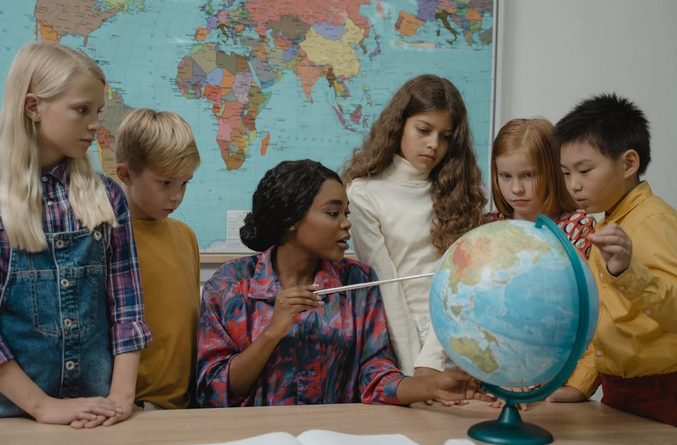
School is also a microcosm of society, offering lessons in empathy and social awareness. Group projects, debates, and peer interactions expose students to diverse perspectives and emotional dynamics. Navigating disagreements, helping peers, or standing up for fairness builds social intelligence. These experiences teach students to consider the feelings, needs, and viewpoints of others—another critical component of the value system that grades cannot measure.
Integrity and Personal Ethics
Another invisible yet crucial lesson is integrity. Students often face choices about cheating, cutting corners, or prioritizing convenience over honesty. How they respond shapes their personal ethics. Even small decisions, like returning lost items or crediting a teammate for their work, contribute to a framework of honesty and accountability. These ethical habits, cultivated through repeated choices, become part of the internal moral compass students carry into adulthood.
Time Management and Self-Discipline
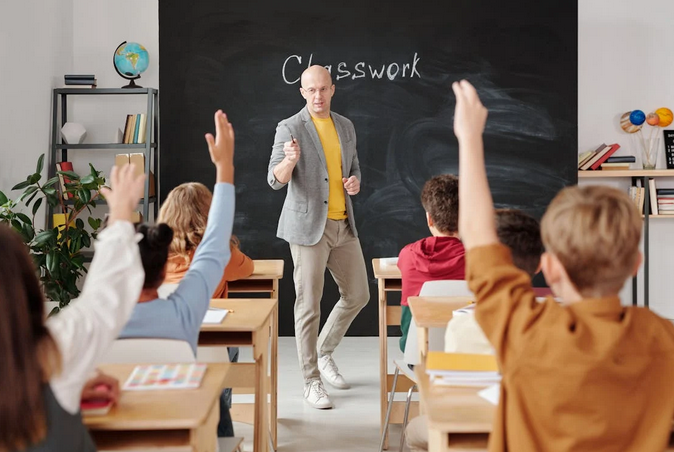
While not glamorous, self-discipline and time management are essential values students develop on their own. Balancing homework, extracurriculars, and social life requires planning, prioritization, and delayed gratification. Over time, students internalize a sense of responsibility, learning how to allocate energy and focus effectively. These habits not only influence academic success but also lay the foundation for personal and professional growth later in life.
Grades provide feedback on performance, but the secret value system students build goes far deeper. Resilience, curiosity, empathy, integrity, and self-discipline are lessons cultivated through experience, reflection, and choice. They form an invisible scaffolding that supports lifelong learning and personal growth. By paying attention to these hidden values, educators, parents, and students themselves can appreciate that true education is not measured solely by numbers—it’s measured by the character, habits, and perspectives students carry with them long after the school bell rings.