
Beyond Grades: The Secret Value System Students Build on Their Own

School is often measured in numbers: test scores, GPA, and letter grades. But for many students, the most important lessons are not recorded on a transcript. Beyond the classroom assessments lies a hidden value system—an internal framework students construct through experiences, interactions, and choices. This self-built code influences how they handle challenges, interact with peers, and make decisions long after the final exam is over. While grades reflect performance, these invisible lessons reflect growth, resilience, and personal ethics.
Learning Resilience Through Mistakes
One of the first elements of this secret value system is resilience. Students quickly realize that failure is inevitable, whether it’s a poor grade, a failed project, or a misstep in a presentation. The way they respond to these challenges—learning from mistakes, asking for help, or trying again—builds resilience. Over time, they understand that effort, persistence, and adaptability are more valuable than perfection, a lesson rarely quantified by a report card.
Curiosity as a Guiding Principle
Beyond rote learning, curiosity becomes a personal compass. Students who explore beyond the syllabus, ask questions, or pursue topics that excite them are cultivating a mindset of lifelong learning. This curiosity-driven approach often teaches problem-solving, creativity, and independent thinking. While teachers can encourage exploration, the intrinsic motivation to seek knowledge is a self-taught value that stays with students far beyond their school years.
Empathy and Social Awareness

School is also a microcosm of society, offering lessons in empathy and social awareness. Group projects, debates, and peer interactions expose students to diverse perspectives and emotional dynamics. Navigating disagreements, helping peers, or standing up for fairness builds social intelligence. These experiences teach students to consider the feelings, needs, and viewpoints of others—another critical component of the value system that grades cannot measure.
Integrity and Personal Ethics
Another invisible yet crucial lesson is integrity. Students often face choices about cheating, cutting corners, or prioritizing convenience over honesty. How they respond shapes their personal ethics. Even small decisions, like returning lost items or crediting a teammate for their work, contribute to a framework of honesty and accountability. These ethical habits, cultivated through repeated choices, become part of the internal moral compass students carry into adulthood.
Time Management and Self-Discipline
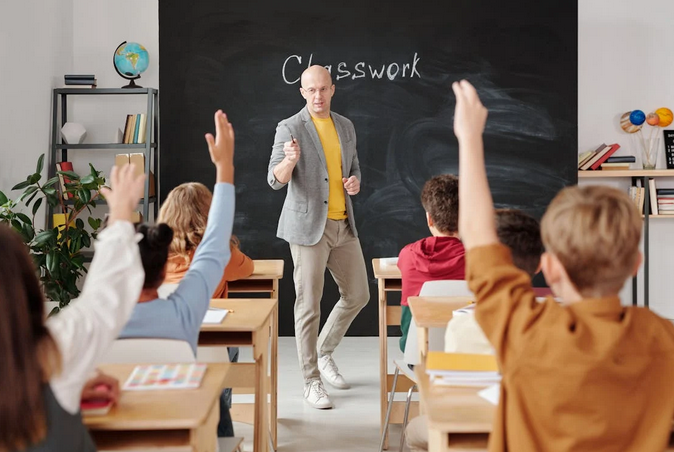
While not glamorous, self-discipline and time management are essential values students develop on their own. Balancing homework, extracurriculars, and social life requires planning, prioritization, and delayed gratification. Over time, students internalize a sense of responsibility, learning how to allocate energy and focus effectively. These habits not only influence academic success but also lay the foundation for personal and professional growth later in life.
Grades provide feedback on performance, but the secret value system students build goes far deeper. Resilience, curiosity, empathy, integrity, and self-discipline are lessons cultivated through experience, reflection, and choice. They form an invisible scaffolding that supports lifelong learning and personal growth. By paying attention to these hidden values, educators, parents, and students themselves can appreciate that true education is not measured solely by numbers—it’s measured by the character, habits, and perspectives students carry with them long after the school bell rings.…














 If you create an atmosphere where students feel comfortable and accepted, they are more likely to behave positively. Make sure your classroom environment is welcoming and encourages students to talk about their successes and failures.
 When students are involved in problem-solving, they become more engaged and motivated to learn. Incorporate problem-solving activities into your classroom and encourage students to think about different perspectives, brainstorm solutions, and communicate their ideas with each other. This will help them develop critical thinking skills that they can use in the future. Open discussions and debates are great ways to engage students and think about different perspectives.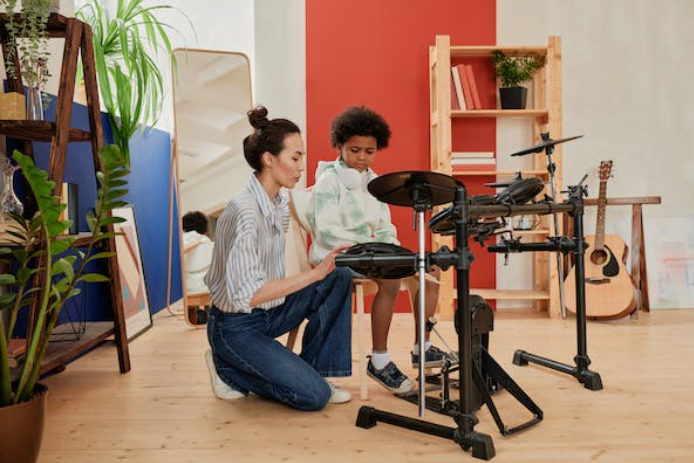
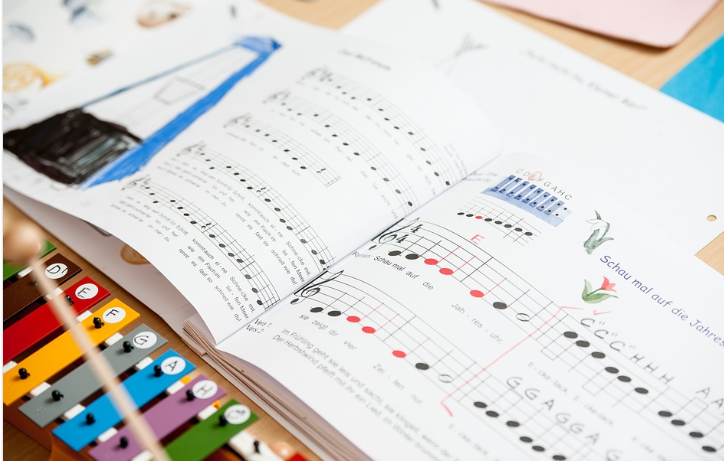 You may think that going to music school is all about learning theory and taking exams, but it’s not. Sure, these are important parts of the education process, but there’s so much more that goes on in a music school. You’ll be immersed in the music world, learning about its history, culture, and trends. This knowledge is essential in helping you create your own unique style and sound as an artist. In fact, many music schools place just as much emphasis on practical applications of what you’ve learned in the classroom, such as performing recitals and recording projects.


 Finally, one of the great things about learning a musical instrument online is that there’s an endless variety of courses to choose from. Whether you want to learn how to play piano, guitar, drums, or any other instrument, you can find classes that suit your needs. With so many options available, it’s easy to find the perfect course for you! Learning a musical instrument online can be an excellent option for anyone who wants to learn a new skill. With the flexibility of being able to practice any time you wish to, access resources from anywhere, and an endless variety of courses, it’s no wonder why so many people are turning to online learning for their musical education.
 Learning a new language can be challenging but making the process enjoyable is essential. Find ways to make learning more fun, like listening to music in the target language or reading books written in that language. Doing something you enjoy will help motivate you and keep you excited about your progress.
 Learning a new language will take time and effort, so don’t be discouraged if progress isn’t made quickly. Don’t compare yourself to others; remember that everyone learns at a different pace. Have patience and enjoy the journey, as it will be worth it in the end.
 Make sure that you are taking the time to dedicate yourself to practice every day. This will help you become more familiar with the game and develop your skills. You should also take advantage of any coaching or instruction available to you, as this can help speed up your progress.
 Baseball is a lot more than just physical skills. It is also a mental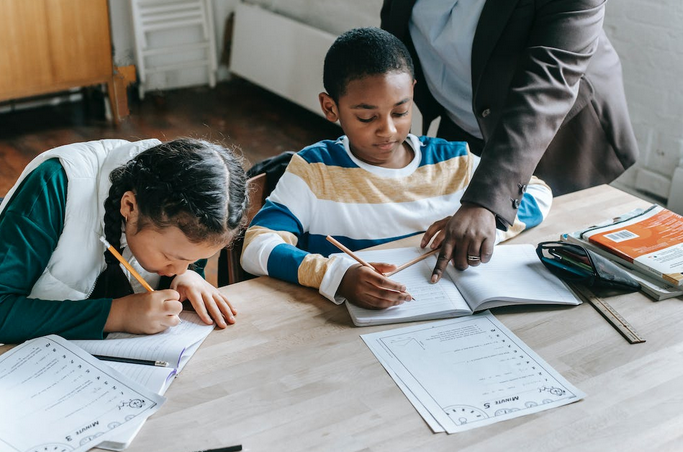
 The second reason to send your child to a private school is that they will likely benefit from higher academic standards. Private schools are not subject to the same government regulations as public schools. This means they can set their own curriculum and standards. As a result, private schools are often able to offer a more rigorous academic program than public schools. This can challenge your child and help them reach their full potential. Some of the country’s most prestigious colleges and universities only consider applicants who have attended private schools.
 The fourth reason to send your child to a private school is that they will have the opportunity to receive religious instruction. A private school may be the best option if you are looking for a school that can teach your child about your faith. Many private schools are affiliated with a particular religion and offer classes on religious studies. This can help your child learn more about your faith and develop a strong moral foundation. Many private schools also require students to participate in religious activities like prayer and service.
 When you are ready to start taking online courses, you must know your goals. What do you want from an education? Do you like to learn more about a topic to gain insight into the subject matter? Or perhaps you want to have fun and build up your resume with new skillsets? To get the most out of your online course, you need to know what you want.
 It is also essential to keep track of what you learn in your online course. One way to do this is by taking notes – either on paper or electronically. It will help you keep track of the topics that have been covered and those that still need to be addressed. Additionally, keeping a journal can also be helpful! In it, you can write down any questions or thoughts that come to mind about the course material.


 Pretend play is an excellent way to enhance creativity while encouraging literacy and language skills. It helps children build new vocabularies as they take on different characters, acting out in real situations. Pretend foods and kitchen sets quickly become a restaurant or home. Toy play money or cash register provide fun as to make-believe stores. Play animals and blocks and other figures encourage the kids to build a city or miniature zoo.

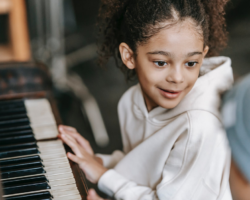
 It is essential to consider the type of music lessons that a school offers. Music is a vast subject, and there are many lessons that you or your child may be interested in. Each person who is interested in music may like to play an instrument they like. You should select a music school that offers lessons you are interested in.


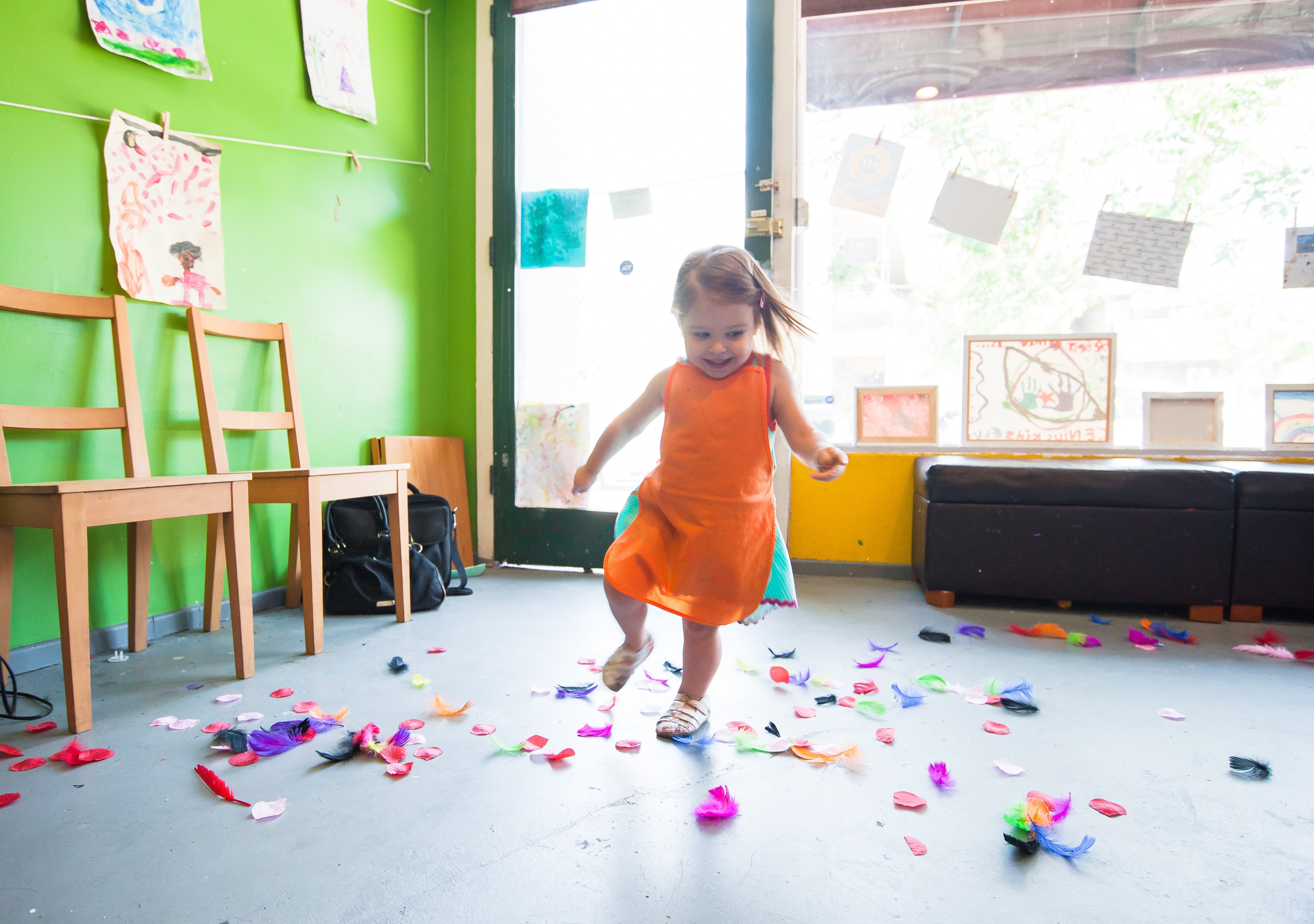
 This comes down to three key points. What are your child’s strengths, needs, and interests? You know your child best and are in a better position to decide what institution would best suit their personality. The best thing you can do is keep an open mind and not get too excited over an institution for your preferences but rather your child’s.
 It is good to make a list of schools within your area. You can search the internet for schools in your locality or the area you want your child to attend school. The list should not be of a specific length. However, it is good to consider a few of the top decisions you make based on their online profile or other parents’ recommendations. While it may be tempting to ask school representatives, they may be biased and not give you a genuine report on the school.
 Other than relying on other parent’s perspectives about an institution, it is important to do further research to answer fundamental concerns. There should be critical questions that will guide you when doing this research. Understand the school’s teaching approach. Examine whether it offers group or individual learning. These are but a few points to look at, and they are determined primarily by understanding your child’s personal needs. It will help if you also make time to visit the schools.
 One of the first tips that you need to consider when planning to apply for a security job is understanding the kind of position you are seeking. Most of the guard companies will specify the available position. Before you take your time to apply, ensure that the open positions are your area of specialization. Doing this will be easy for you to plan carefully and know all the skills you need to showcase during the interview.

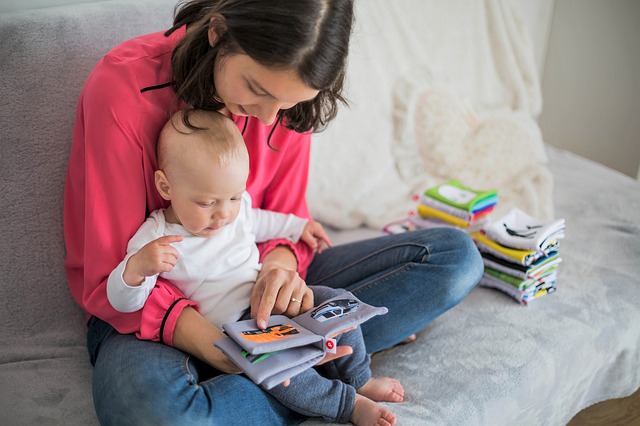



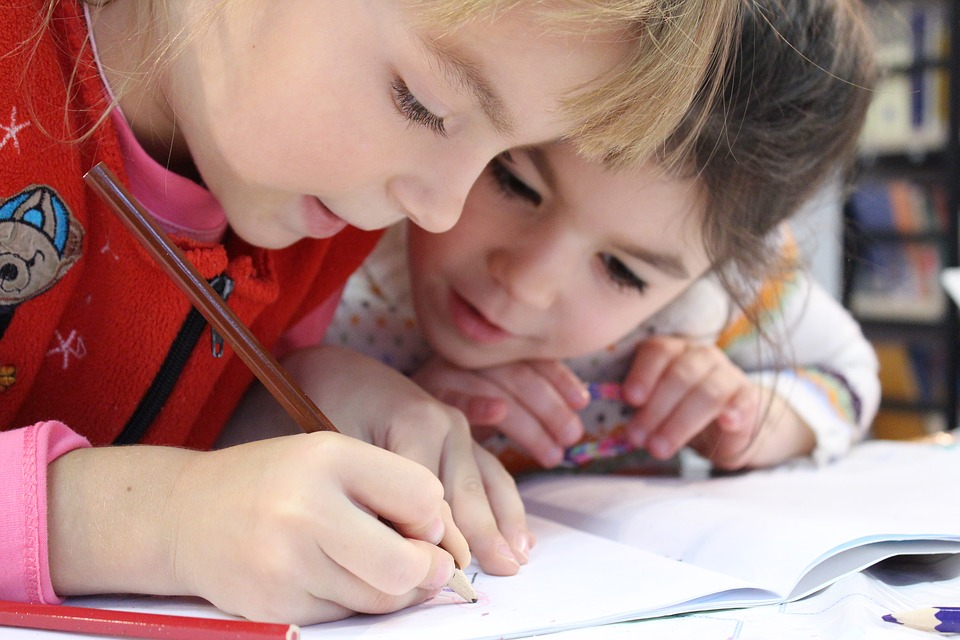 According to various researches that have been conducted, over 88 percent of private school students apply to colleges and universities compared to 55% of public school students. With private schooling, when it comes to challenging students to stretch their capacity, it is essential to understand that most of the private schools tend to do an exceptional job.


 You need to check and re-check your obituary for grammar mistakes. When you are satisfied with the final copy, pass it off to your friend to review it. The fact that obituaries are composed during difficult times, it is vital to take into account the writing tone.…
 Go for Specialist Staffing Agencies

 You should make time and visit the different preschools available in your new town. A visit to the schools can give you a clear picture of the place where your child will be spending the day while you are off at work. During your visit, you need to talk to the teachers and inquire about their experience with children, let them convince you of benefits and the advantages they think your child will have in their school.
 Why Enroll for the Training?
 4. Environment





 have ended up declining some of the lucrative offers or failing to apply for awesome jobs. This issue has been very common with many people, and it is referred to as imposter syndrome. It is a condition that made successful people feels that their achievements are undeserved yet they have undergone the necessary training, and they have acquired the necessary skills.
 MCIIS is a center of excellence which promotes the study of Intelligence in higher academic settings, while seeking to identify, promote, and employ best practices in the study and application of intelligence studies throughout its various disciplines (national security, law enforcement, business and academia). The institute was made possible by a grant from the U.S. Department of Education Fund for the Improvement of Post Secondary Education (FIPSE) in February 2004.